
Electronic devices have become inseparable from modern life. From the smartphones in our pockets to the laptops powering remote work, technology drives nearly every aspect of economic and social activity. Yet the other side of this rapid innovation cycle is mounting waste. Discarded electronics are one of the fastest-growing waste streams globally, posing both environmental hazards and data security risks.
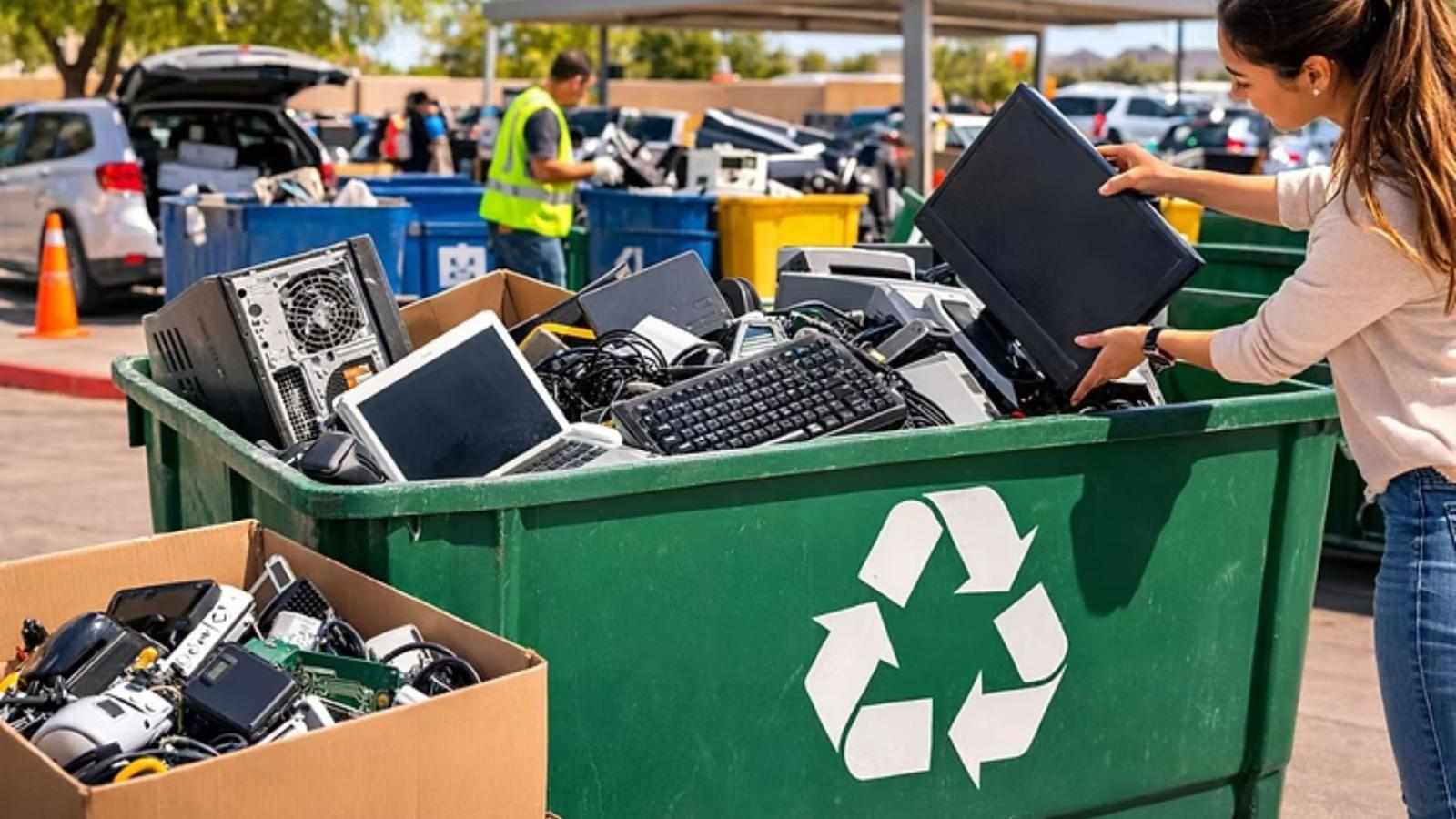
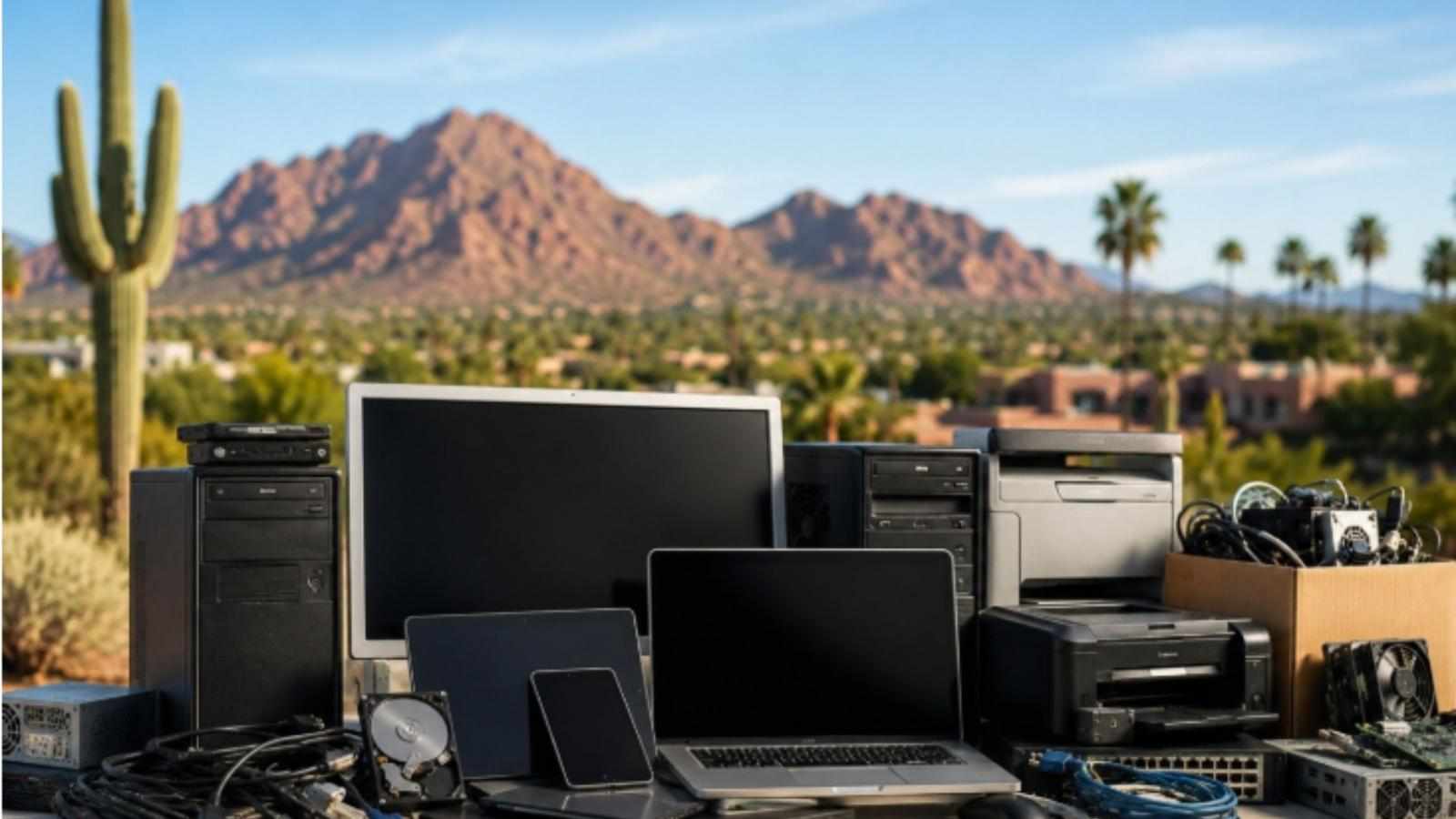
For cities like Phoenix, the challenge is especially pressing. Population growth, high consumer demand for devices, and rapid turnover rates create a mounting tide of unused technology. The response cannot simply be more landfills or fragmented collection programs. It requires a systemic, ethical, and community-centered approach to phoenix electronic recycling.
The Scale of the E-Waste Challenge
The Global E-Waste Monitor estimates that the world generated more than 62 million metric tons of electronic waste in 2022, a number projected to rise steadily in the coming decade. In the United States, only about 15–20% of this waste is formally collected and recycled. The rest often ends up in landfills or is exported to countries with weaker environmental safeguards, creating long-term ecological and human health risks.
Phoenix reflects this broader trend. With one of the fastest-growing metropolitan populations in the country, the city faces a dual challenge: responsibly handling rising volumes of outdated devices while also ensuring that recycling solutions are accessible to households and businesses alike. This is where organizations like Agape Computer and Electronics Recycling have begun to shift the paradigm.
Why Electronics Require Special Handling
Unlike many other forms of household waste, electronics carry unique risks. Devices often contain heavy metals such as lead, mercury, and cadmium that can leach into groundwater when improperly discarded. Lithium-ion batteries, if left unmanaged, can spark fires during transport or storage. At the same time, electronics hold sensitive personal and business data, making improper disposal a potential security liability.
On the other hand, electronic devices also contain significant value. Circuit boards hold trace amounts of gold, silver, and palladium. Copper wiring, aluminum components, and rare earth magnets can all be recovered. This dual nature—hazardous if mismanaged, valuable if processed correctly—explains why cities increasingly view electronics as both a liability and a potential asset.
Building a Responsible Recycling Ecosystem
For Phoenix, the future of recycling lies in building a more integrated ecosystem that prioritizes accountability, accessibility, and measurable community benefit. When residents search for ways to recycle electronics in phoenix, az, they are not simply looking for convenience. They want assurances that their devices will be handled securely, sustainably, and ethically.
Agape has distinguished itself in this space by combining certified recycling practices with community-driven outcomes. Devices are collected and dismantled in ways that meet industry standards, ensuring data is destroyed and materials are recovered safely. But the model goes further: cell phones donated through Agape are given to organizations supporting victims of domestic violence. These phones become lifelines for individuals who often have no other means of communication or safety.
The initiative extends even deeper into the community. Agape also supports organizations focused on the protection, health, and healing of children. This connection between recycling and social responsibility demonstrates that e-waste management can be more than an environmental service—it can be a vehicle for broader human impact.
The Business Case for Smarter Recycling
For businesses, the implications are clear. Electronics are not only costly to procure but also carry compliance and reputational risks if discarded improperly. Data privacy laws, sustainability reporting requirements, and stakeholder expectations all elevate the importance of formal recycling programs.
By working with providers who ensure certified destruction of data and ethical handling of devices, companies can reduce liability while advancing corporate social responsibility goals. In Phoenix, this means integrating solutions like Agape’s into procurement and end-of-life asset management policies. For firms seeking to strengthen ESG (Environmental, Social, and Governance) reporting, aligning with certified local recyclers is a tangible, credible step forward.
Closing the Awareness Gap
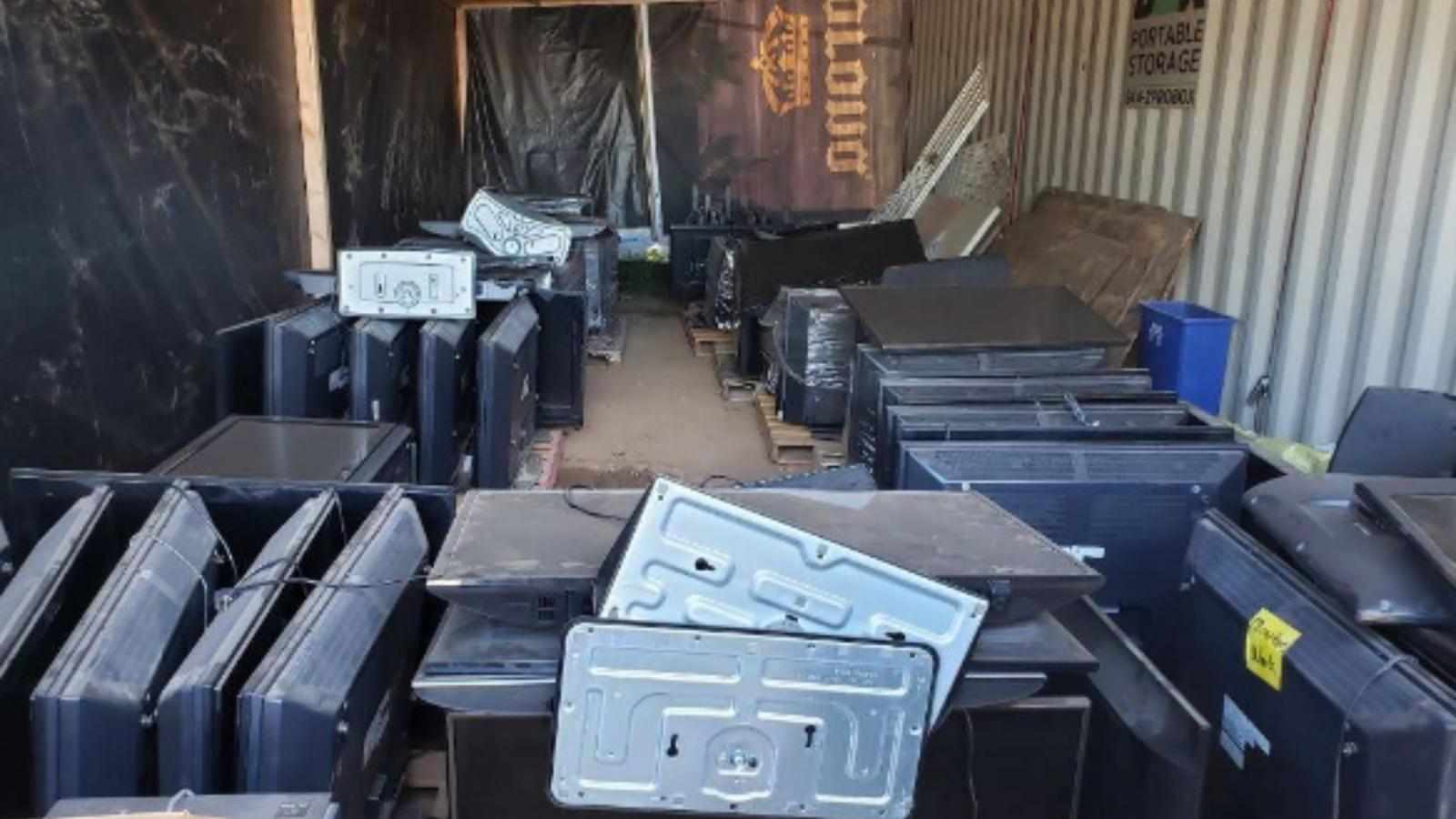
One persistent challenge remains: public awareness. Many households and businesses still default to storing outdated electronics in closets or garages, uncertain of how to dispose of them responsibly. Others assume recycling comes with a cost or logistical burden. In reality, free and certified options exist across the Phoenix area.
Educational outreach and visible community programs will be critical to shifting behavior at scale. School partnerships, neighborhood collection drives, and municipal campaigns can help normalize responsible recycling. When combined with the right infrastructure and partnerships, these efforts can transform how Phoenix manages its electronic footprint.
Looking Ahead: Toward a Circular Economy
The long-term vision is not simply about reducing waste. It is about rethinking value creation. In a circular economy, resources are kept in use for as long as possible, generating economic activity while reducing extraction and environmental harm. Electronics are a natural fit for this model, as their components can be recovered, refurbished, and reused.
Phoenix has the potential to lead in this space by building public-private partnerships that scale responsible recycling. Organizations like Agape demonstrate how ethical recycling can blend environmental stewardship with social good, creating ripple effects that extend beyond waste management.
Imagine a system where every outdated phone, laptop, or tablet is not seen as clutter, but as an asset waiting to be reimagined—whether as raw material for new technology, a refurbished tool for education, or a lifeline for someone in crisis.
Takeaway
The conversation around electronic waste in Phoenix is not merely about trash removal. It is about redefining responsibility, trust, and opportunity in a rapidly digitizing world. With thoughtful practices and committed organizations, the city can shift from reactive disposal to proactive renewal.
For individuals and businesses alike, the call to action is clear: treat outdated electronics not as clutter, but as part of a larger cycle of sustainability and human support. When you choose to engage with phoenix electronic recycling programs, or take the simple step to recycle electronics in phoenix, az, you are not just clearing out space—you are contributing to a safer environment, protecting data, and strengthening the community.
The future of recycling in Phoenix is not only about managing waste more responsibly. It is about seeing potential where others see discard, and ensuring that progress is measured not only in tons diverted, but in lives improved.
Write a comment ...