
I never expected a routine clean-out of my home office to shift how I think about technology, responsibility, and the quiet systems that keep a city functioning. Yet that is exactly what happened when I finally confronted the drawers, boxes, and storage bins full of old devices I had avoided dealing with for years. The experience transformed the way I look at Scottsdale electronics disposal, and it left me with a deeper sense of what it means to live in a community where sustainability is not abstract, but lived.
The Moment I Realized Avoidance Was Not a Strategy
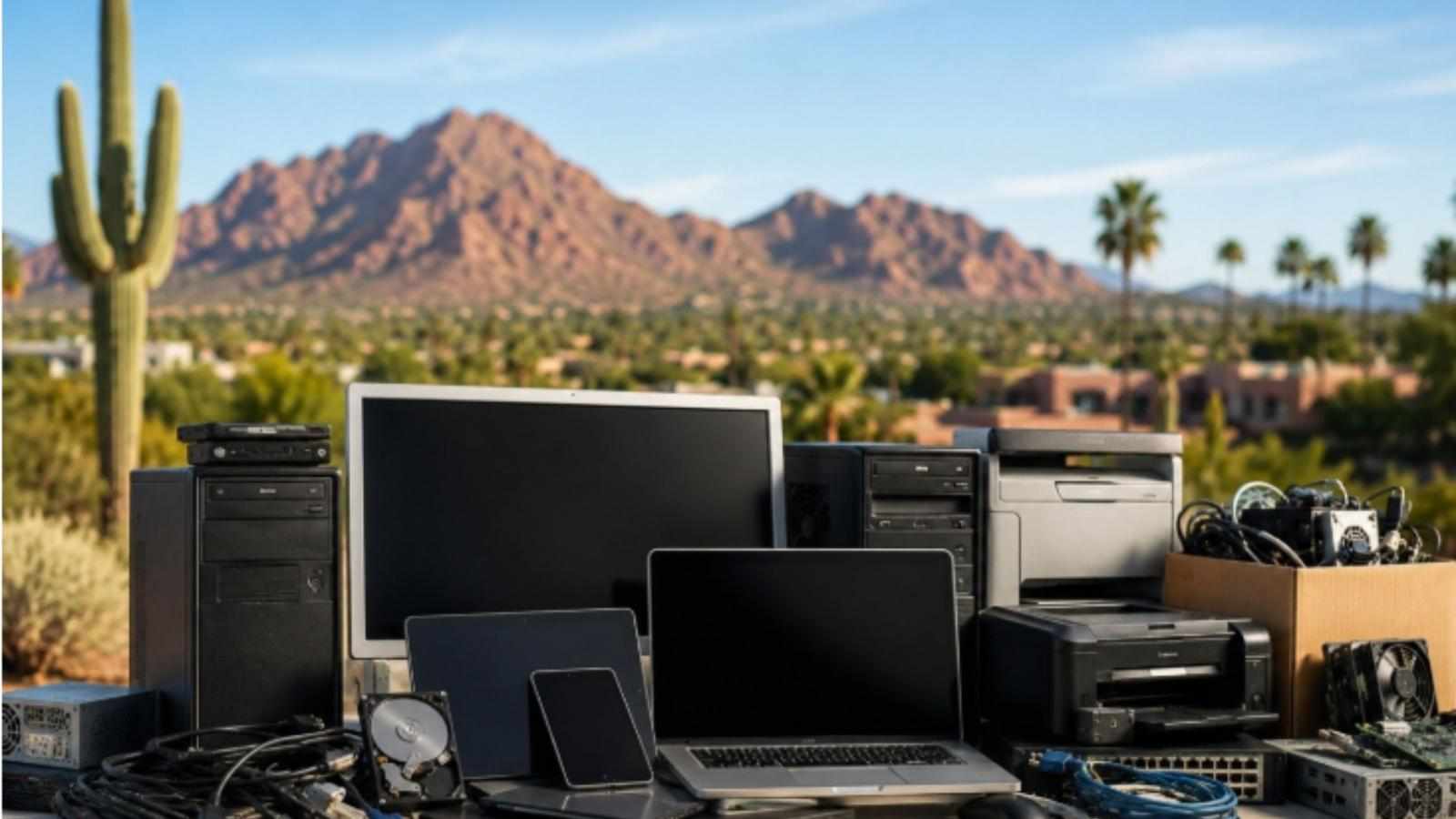
The whole thing started with a stubborn laptop that had not powered on since 2018. I had moved with it twice, each time telling myself I would figure out what to do with it “later”. But “later” eventually became a closet full of aging keyboards, tablets, cables, cell phones, and an external hard drive that I did not trust throwing in the trash.
It felt absurd to be someone who works in a digital field yet had no idea where to recycle electronics in Scottsdale, AZ in a way that felt both safe and responsible. I knew throwing them away would be careless, but keeping them indefinitely was clearly not the solution either. Something had to change, and it had to be more thoughtful than tossing everything in a random bin.
The Search for a Solution That Felt Credible
When I began researching my options, I quickly realized something important: not all recycling is created equal. Some places offered convenience, while others prioritized sustainability. Some made bold claims, but provided little clarity about what actually happened to the materials.
I wanted transparency. I wanted a process that aligned with my values. And most importantly, I wanted to know that my data and my discarded tech were treated with care rather than ending up in a landfill disguised as “recycling”.
What surprised me was how easy it became once I found a process that properly balanced environmental impact, professionalism, and responsibility. It felt like discovering a system that had quietly existed to solve a problem I had been ignoring for years.
What the Experience Looked Like in Practice
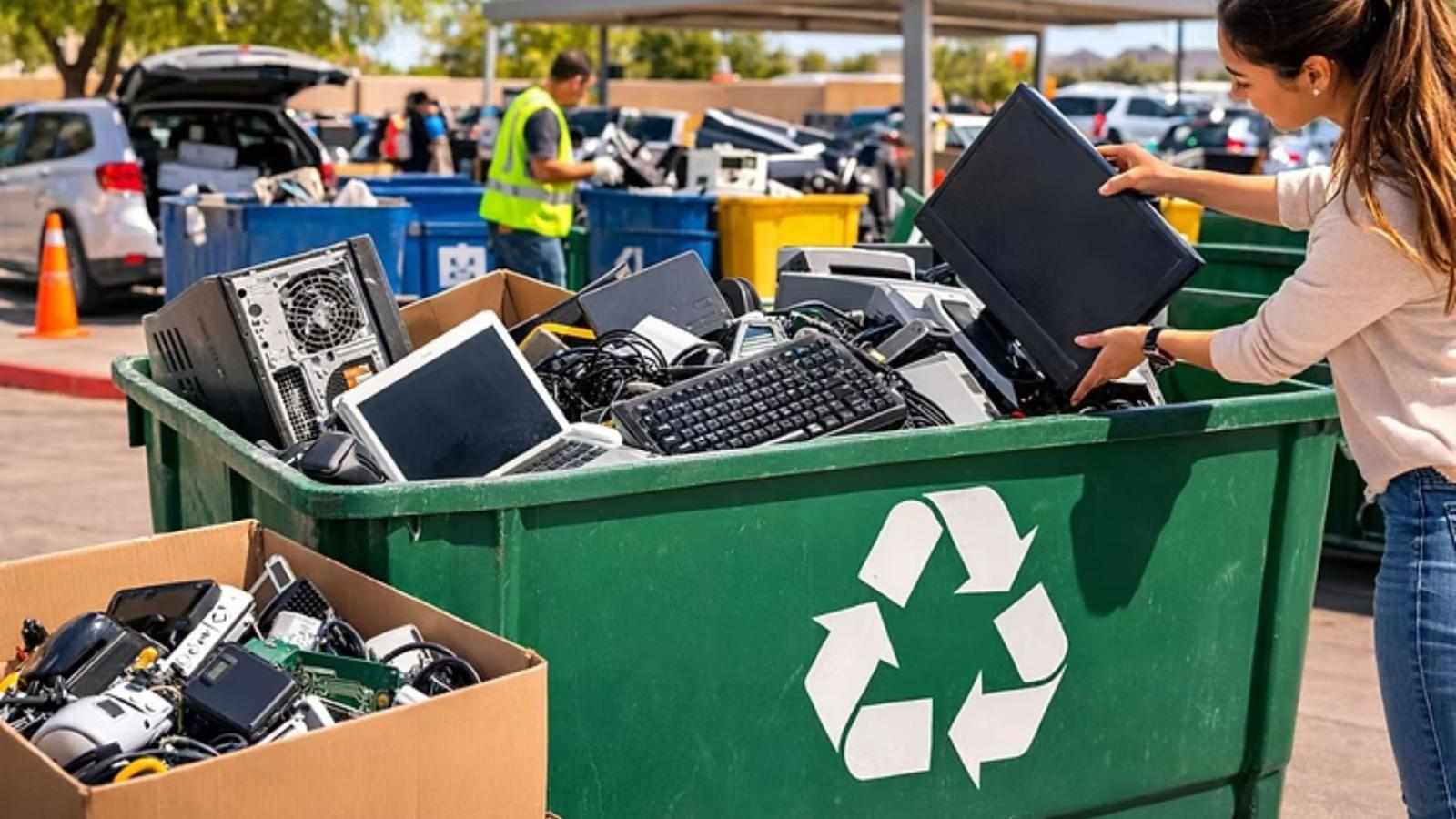
The actual experience was surprisingly simple. There were no complicated instructions, no intimidating requirements, and no reason to feel overwhelmed. I gathered everything, sorted out anything with stored data, and showed up ready to ask a few naïve questions if needed. Instead of judgment, I received guidance that made the entire interaction unexpectedly educational.
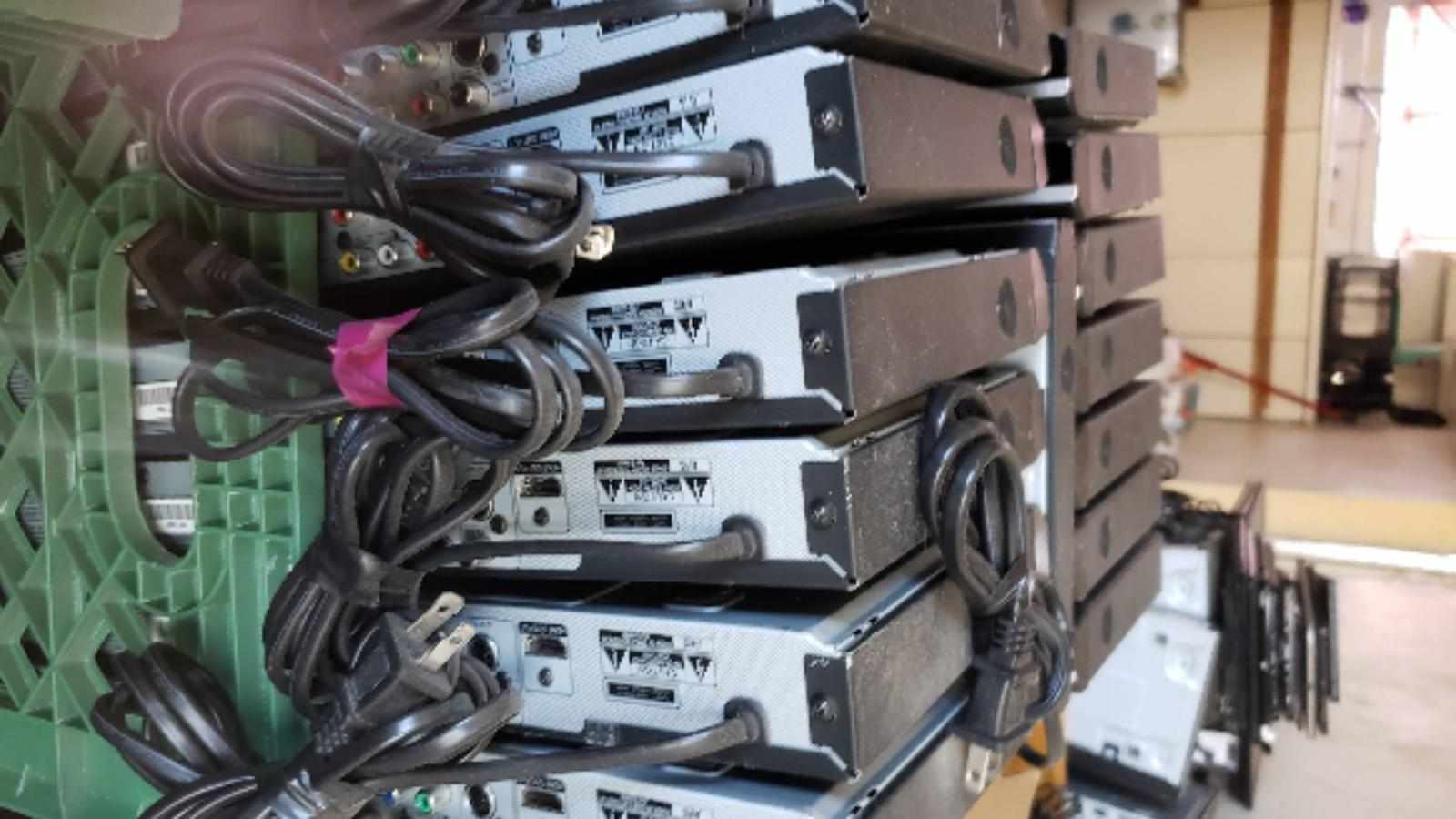
For the first time, I began to understand what really happens during electronics recycling in Scottsdale, AZ. I learned that the plastics, metals, and circuitry can be recovered and re-used rather than becoming hazardous waste. I learned that responsible handlers separate components instead of shredding them blindly. I even learned that proper recycling can reduce the demand for mining new materials, which benefits far more than just our own neighborhood.
It made something once inconvenient feel meaningful, almost like participating in a civic duty I had never been taught but should have always known.
When Responsibility Becomes Personal
There was something profoundly grounding about watching outdated devices leave my hands knowing they would not end up leaching chemicals into desert soil or being dumped into a shipment that disappeared overseas. It felt like I had chosen accountability rather than convenience.
People often assume environmental choices require sacrifice. My experience was the opposite. I felt lighter when I walked away. I felt more organized at home, more informed about my impact, and oddly proud that I finally dealt with something I had postponed for years.
It reminded me of the little civic habits we all rely on but rarely celebrate, like participating in community programs or taking care of shared spaces so everyone benefits. Responsible disposal felt like an extension of that same ethic.
The Unexpected Emotional Value
What caught me off guard was not the efficiency or the professionalism, but the psychological relief. Letting go of years of neglected tech felt like closing unfinished chapters. Each device represented some fragment of my digital past, and responsibly releasing them gave me a sense of closure I had not expected.
Even more surprising was the subtle change in how I thought about future purchases. I became more intentional. More aware. More conscious of the lifecycle of the devices I rely on every day.
The experience made me realize that sustainable behaviour does not come from pressure. It comes from clarity, trust, and access to solutions that feel aligned with how we want to show up in the world.
When Community and Sustainability Intersect
Scottsdale is a place known for innovation, design, and a high standard of living. It only makes sense that our approach to electronic waste should reflect those same values. The city invests in infrastructure, resources, and systems that support long-term resilience. Taking part in responsible disposal suddenly felt like participating in the future Scottsdale is trying to build.
Sustainability becomes real only when we take small but consistent actions, and in my case, those actions started with acknowledging that technology does not end its life when we stop using it. It continues on a trajectory we either choose to influence or ignore.
Choosing to influence it felt far better.
The Takeaway I Would Share With Anyone Reading
If you are anything like me, you probably have at least a few forgotten devices tucked away in a drawer. Maybe you feel unsure about what to do with them. Maybe the idea of sorting through it all feels tedious. Or maybe you have simply pushed the decision down your to-do list until it became invisible.
My experience taught me something simple but important: the process is easier than the anticipation. And the impact is far greater than the effort.
Responsible disposal is not just about decluttering. It is about aligning your behaviour with the kind of city you want to live in, and the kind of environment you hope to leave behind.
Final Reflection
Looking back, handling my digital leftovers was one of the most unintentionally meaningful tasks I completed all year. It helped me take ownership of my habits, my impact, and the small ways we contribute to a more sustainable future — something supported by the work of Agape Computer and Electronics Recycling.
If you are debating whether the right time to deal with your old tech is now, let me offer the encouragement I wish someone gave me earlier: it is absolutely worth doing. And once you take the first step, you realize it was never as complicated as you imagined.
Write a comment ...