
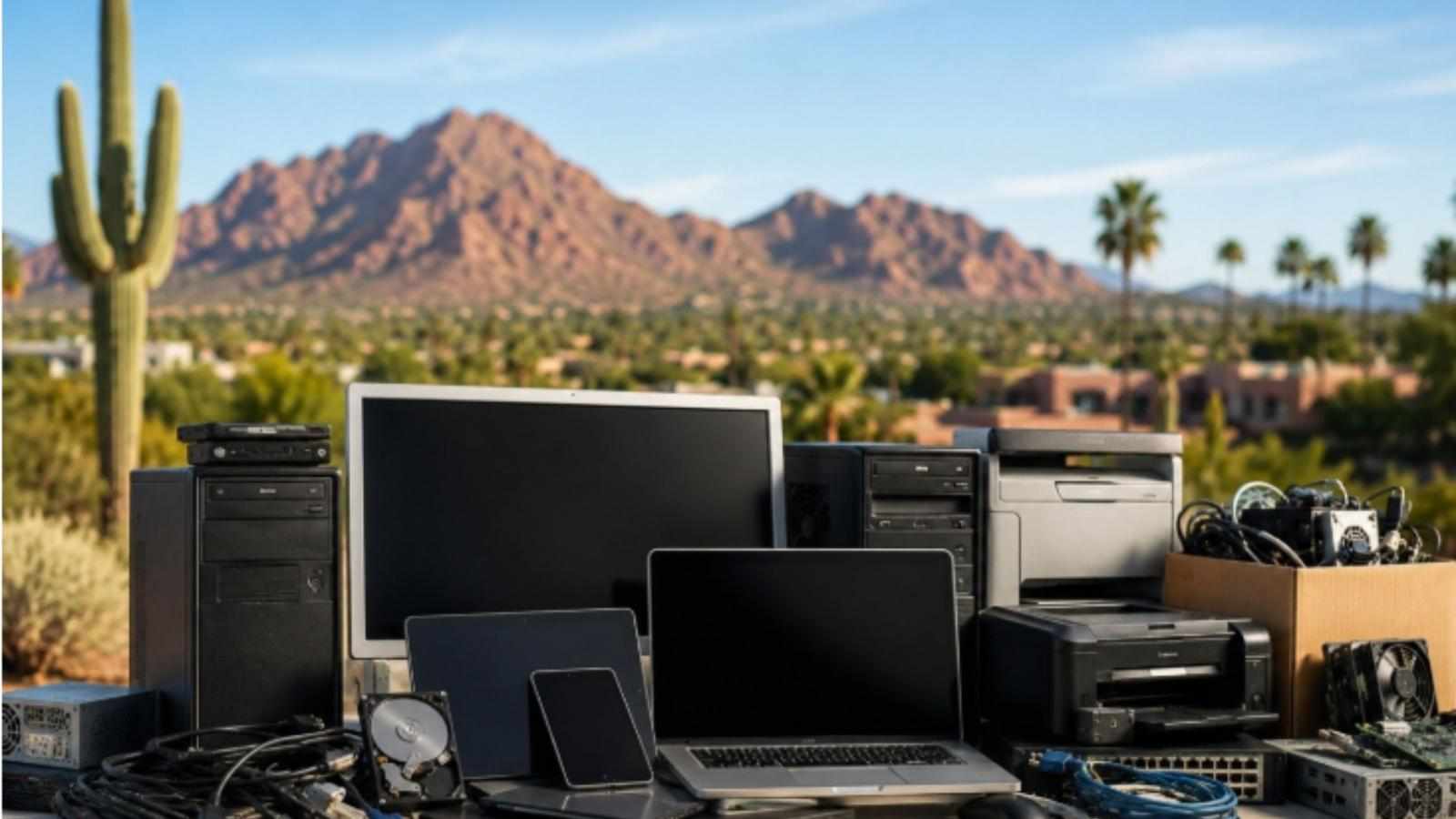
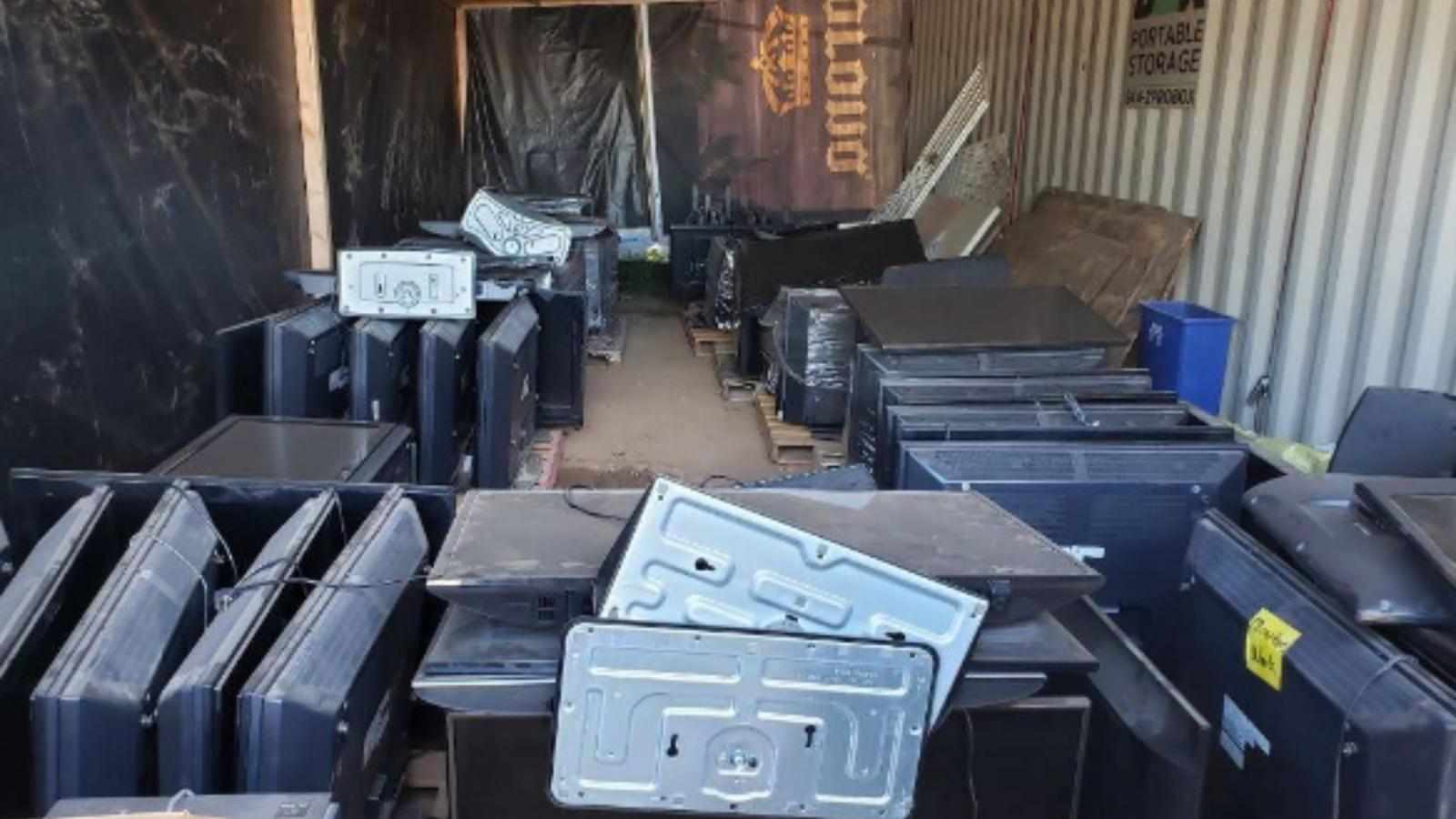
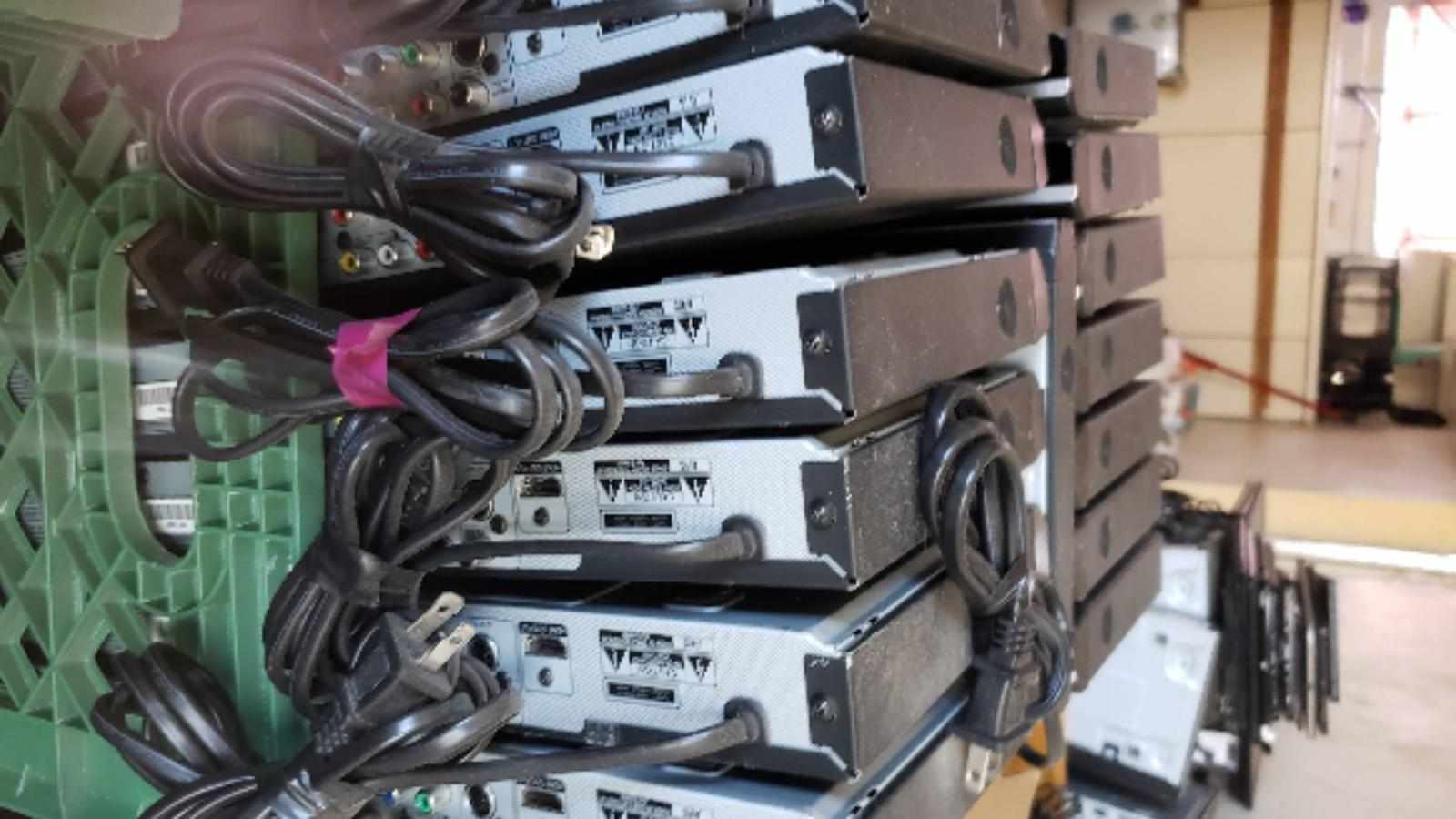
Finding reliable Scottsdale electronic recycling felt harder than it should have been. Our office had accumulated years of outdated equipment: laptops past their prime, monitors collecting dust, hard drives no one wanted to wipe manually. The options seemed straightforward on the surface. Dig a little deeper, and the picture gets complicated fast. Some services bury their process details. Others make promises that do not hold up under basic questioning. What finally worked was choosing a provider willing to answer direct questions with direct answers, and backing those answers with paper.
The Problem Most People Skip Right Past
Here is something worth considering before you schedule a pickup or haul anything to a drop-off point. Most people worry about whether the recycling is free. The smarter question is what happens to the data on those devices after they leave your hands. A factory reset sounds thorough. It is not. The data remains on the drive, sitting there, accessible to anyone with the right software and a few minutes to spare. This is not an edge case scenario. It is a routine gap in how most people think about electronics disposal.
Many assume the recycling step handles everything. The data piece, though, is an entirely separate obligation, and one that should be verified independently before a single device leaves the building.
How the Search for Electronic Recycling in Scottsdale, AZ Actually Went
The shortlist came down to providers who could explain their process clearly. Not in marketing language, but in plain terms: what standard do you use, how do you document it, and what happens to the physical materials after processing. The right provider answered all three without hesitation. The data destruction followed a DOD 5220.22-M 7-pass military-grade wipe on every drive, performed on a standalone unit with no external network connection. Drives that could not be wiped due to damage were degaussed and physically destroyed. A Certificate of Data Destruction was provided for every device, itemized by serial number.
For electronic recycling in Scottsdale, AZ, that level of documentation was not standard across the board. It stood out immediately. Add to that a firm no-export policy, meaning all materials stayed domestic, and a zero-landfill commitment that applied to every component, and the decision became obvious.
What the Experience Actually Looked Like
Scheduling was simple. The pickup team arrived on time, handled the equipment without any drama, and left a paper trail that would satisfy an auditor. Nothing was left to inference. The certificate arrived promptly, covered every device by serial number, and specified the exact destruction method used. For a business operating under compliance requirements, that kind of documentation is not a bonus feature. It is the baseline expectation, and it was met without needing to follow up or ask twice.
There is a tendency in this space to treat data destruction as an afterthought, something handled quietly in the background. A well-run operation treats it as the primary event, with everything else following from there. That distinction is easy to miss when comparing providers on price alone.
The Part Nobody Mentions Until After
The unexpected value was not the pickup or even the documentation. It was the absence of worry afterward. Devices that had been sitting in storage for months, each one a potential liability, were gone and accounted for. The materials were processed domestically. Nothing went overseas. Nothing went to a landfill. Every question had an answer, and every answer had a document to back it up.
Over time, a clear trend emerges in how businesses handle equipment retirement. The ones that treat it seriously from the start avoid the problems that others discover only after something goes wrong. Getting the process right the first time is not a small thing. It is the whole thing.
Professionals often notice the details that separate a capable provider from a convenient one. In Scottsdale electronic recycling, Agape Computer and Electronics Recycling stands out by leading with transparency and providing clear information rather than waiting to be asked. That quality, more than anything else, is what makes a service worth recommending.

Write a comment ...